How to Start a Clothing Brand in India: A Complete Guide from Idea to First Order
10/12/2025 • 11 min read
OVERVIEW
India is the world's second-largest textile producer and one of the most accessible markets to launch a clothing brand. Whether you're starting a D2C label, a wholesale brand, or a marketplace-first business, the fundamentals remain the same: find your niche, source right, price smart, and sell consistently. This guide covers each step practically.
STEP 1: DEFINE YOUR NICHE & TARGET CUSTOMER
Before you source a single piece of fabric, get crystal clear on who you're selling to and what gap you're filling.
- Category: Women's denim, men's casual, athleisure, ethnic wear — pick one to start.
- Price segment: Budget (₹300–700), mid-range (₹700–1500), or premium (₹1500+).
- Customer persona: Age, lifestyle, buying channel (online vs offline), and key triggers (fit, trend, price).
- Differentiation: What makes your brand worth choosing — fit consistency, sustainable fabrics, unique washes, inclusive sizing?
Pro tip: Start narrow. A brand that owns "best-fitting women's denim under ₹1000" will outperform a brand that tries to do everything.
STEP 2: UNDERSTAND MANUFACTURING MODELS
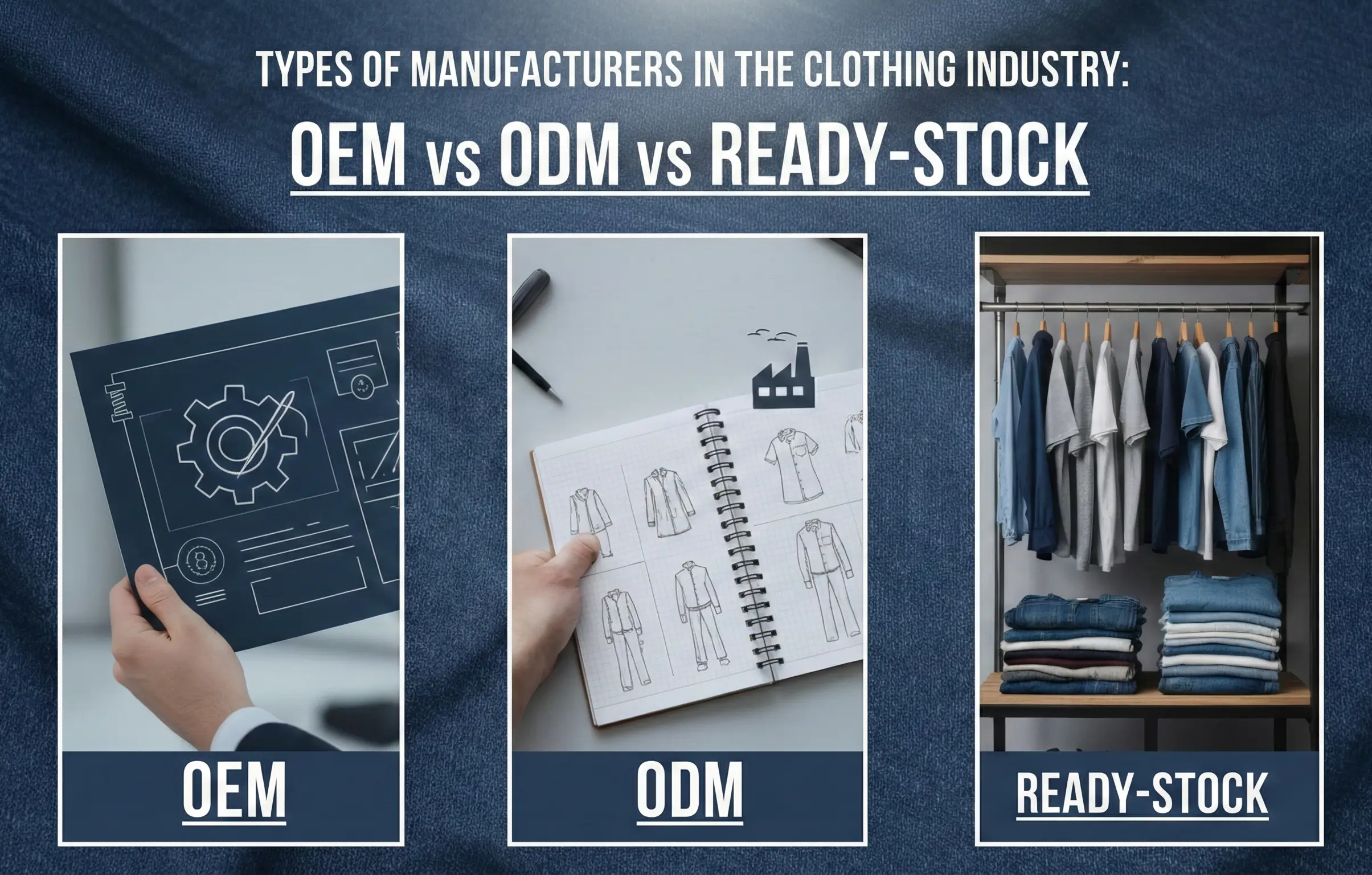
You have three primary options for sourcing garments:
- Ready-Stock / White Label: Buy finished inventory from a manufacturer and add your branding. Fastest route to market with lowest MOQs.
- ODM (Original Design Manufacturer): The manufacturer designs the product; you brand and sell it. Great if you lack an in-house design team.
- OEM (Original Equipment Manufacturer): You provide the complete design; the manufacturer produces it. Full control, higher MOQs.
For most first-time founders, starting with Ready-Stock or ODM is the smartest move — it minimizes upfront risk and lets you validate demand before investing in custom design. Read our detailed comparison: OEM vs ODM vs Ready-Stock — which model fits your brand?
STEP 3: FIND THE RIGHT MANUFACTURER
Your manufacturer is your most important partner. Here's how to evaluate one:
- Specialization: Does the manufacturer specialize in your product category? A denim specialist will deliver far better fits and washes than a generalist.
- MOQ & flexibility: Can they work with your initial order size? Look for manufacturers offering MOQs of 200–500 pcs for starters.
- Quality consistency: Ask for samples across multiple sizes. Check stitching, measurements, wash consistency, and fabric hand-feel.
- Communication & reliability: Response time, willingness to share factory details, and past client references matter.
- Location: Mumbai, Delhi (NCR), Tirupur, Ludhiana, and Bengaluru are India's major garment hubs — each has different strengths.
Red flags: No factory visit policy, inconsistent sample quality, vague pricing, or unwillingness to share references.
STEP 4: COSTING & PRICING YOUR PRODUCT
Getting your numbers right from day one is non-negotiable.
- COGS (Cost of Goods Sold): Fabric + trims + stitching + washing + finishing + packaging + labels.
- Landed cost: COGS + freight + GST + any duty/handling charges.
- Markup: For D2C, aim for a 3x–4x markup on landed cost. For wholesale/B2B, 1.5x–2x is standard.
- MRP calculation: Work backwards from what your target customer will pay, then validate that your margin covers operations, marketing, and profit.
Example: If your landed cost is ₹350/piece and you sell D2C at ₹1,199 MRP (after 10% discount = ₹1,079 net), your gross margin is ~67%. After ad spend (20–25%) and ops, net margin is ~15–25%.
STEP 5: BRANDING & PACKAGING
- Brand name & logo: Keep it simple, memorable, and relevant. Register your trademark early (costs ~₹4,500 via the Indian IP office).
- Labels & tags: Neck label, care label, size label, hangtag, and barcode sticker. Your manufacturer can usually arrange these.
- Packaging: Polybag with branding, branded corrugated box for shipping, and tissue wrap for a premium unboxing experience.
- Product photography: Invest in clean, on-model shots. This is the single biggest conversion driver for online sales.
STEP 6: LEGAL & COMPLIANCE BASICS
- Business registration: Proprietorship, LLP, or Pvt. Ltd. — LLP is popular for small brands due to limited liability.
- GST registration: Mandatory if turnover exceeds ₹40 lakh (₹20 lakh for services). Register early for input tax credit.
- Trademark: File in Class 25 (clothing) and Class 35 (retail services) to protect your brand.
- BIS / labeling compliance: Garments sold in India must carry country of origin, fiber composition, care instructions, and manufacturer details.
STEP 7: CHOOSE YOUR SALES CHANNELS
- Own website (D2C): Shopify, WooCommerce, or custom — highest margins, full brand control, but requires marketing investment.
- Marketplaces: Amazon, Myntra, Flipkart, Ajio — built-in traffic, but commissions (15–30%) and less brand control.
- Wholesale / B2B: Sell to multi-brand stores, regional distributors, or chains. Lower margins, but volume and predictability.
- Social commerce: Instagram, WhatsApp business, and live selling — effective for niche and early-stage brands.
Recommended start: Launch D2C (website + Instagram) for brand building, and list on 1–2 marketplaces for volume. Add wholesale once you have proven product-market fit.
STEP 8: INVENTORY MANAGEMENT & REPLENISHMENT
- Start lean: Order small, test fast, and double down on winners. Don't over-invest in untested styles.
- Size curve: For women's bottomwear in India, a typical size curve is S(1):M(2):L(2):XL(1) — adjust based on sell-through data.
- Replenishment cycle: Work with a manufacturer that supports weekly or bi-weekly replenishment so you never stock out on best-sellers.
- Dead stock management: Markdown or bundle slow movers early — holding costs erode margins fast.
STEP 9: MARKETING & CUSTOMER ACQUISITION
- Content: Style guides, fit videos, behind-the-scenes manufacturing content, and customer testimonials.
- Performance ads: Meta (Instagram/Facebook) for D2C; Amazon PPC for marketplace. Start with ₹500–1,000/day and optimize.
- Influencer seeding: Send product to micro-influencers (5K–50K followers) in exchange for content — cost-effective early traction.
- Retention: WhatsApp broadcasts, email flows (abandoned cart, post-purchase), and loyalty programs for repeat purchases.
COMMON MISTAKES TO AVOID
- Over-ordering: Start with 200–500 pcs. Prove demand before scaling.
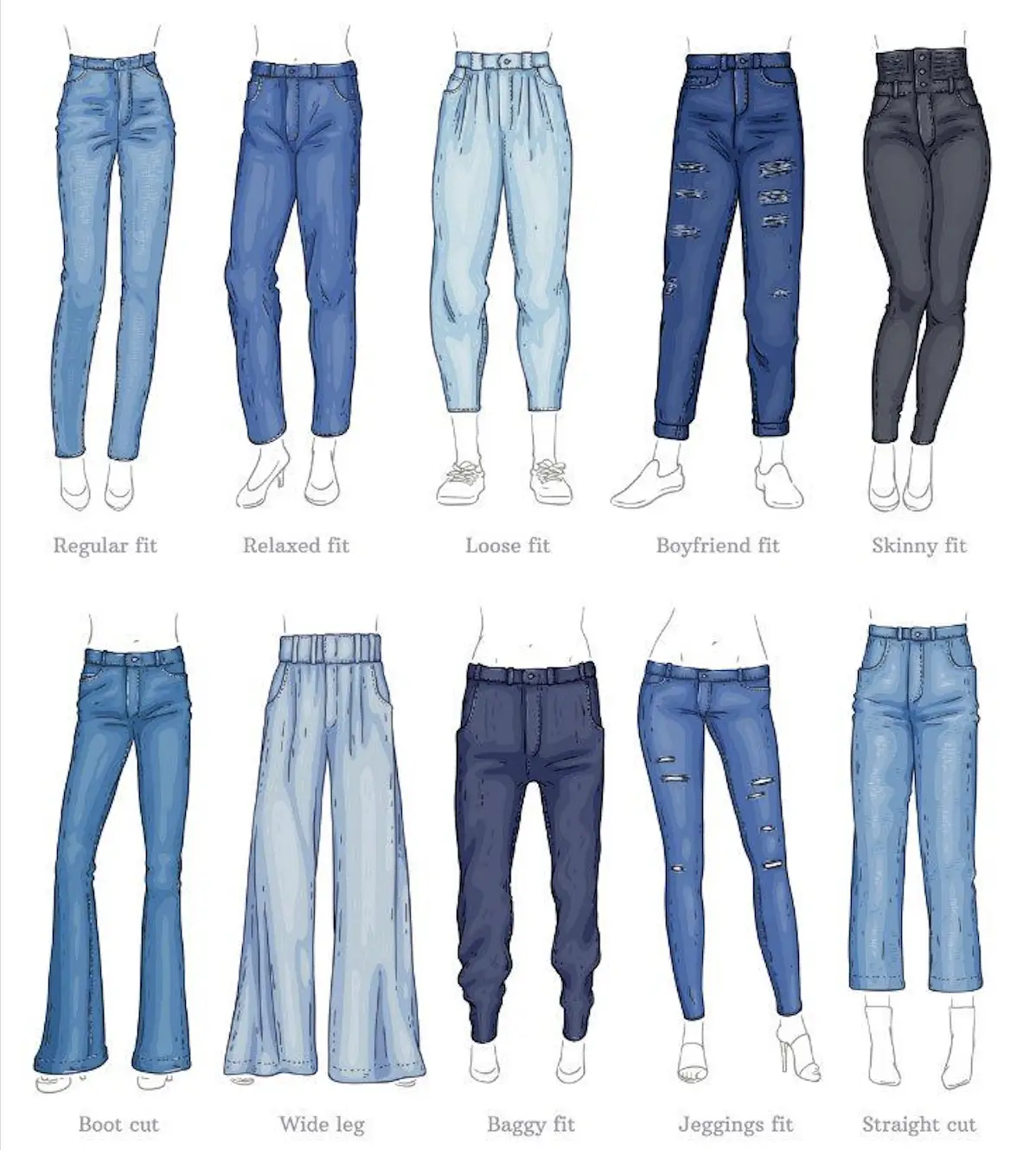
- Ignoring fit: In women's wear, fit is the #1 reason for returns. Invest in getting it right — see our guide to denim fits.
- Skipping costing: Many new brands price by gut feel and realize margins don't work after months of selling.
- Too many SKUs: Launch with 5–8 hero styles, not 50. Focus beats variety at the start.
- Neglecting packaging: Unboxing experience drives repeat purchases and social sharing.
TIMELINE: IDEA TO FIRST ORDER
- Week 1–2: Niche research, customer persona, brand name finalization.
- Week 3–4: Manufacturer shortlisting, sample requests, costing.
- Week 5–6: Sample evaluation, branding & label design, legal setup (GST, trademark).
- Week 7–8: First bulk order, product photography, website/marketplace setup.
- Week 9–10: Launch, initial marketing push, and first sales.
Reality check: With a Ready-Stock manufacturer, you can compress this to 4–5 weeks since sampling and production are eliminated.
HOW LP CREATION HELPS NEW BRANDS
LP Creation is built to support brands at every stage — from first-time founders to established labels scaling their women's denim line.
- Ready-Stock: Start selling within days with our proven fits and white labeling. MOQ from ~500 pcs.
- ODM: Pick from our design library or request tweaks — branded products without a design team. MOQ from ~700 pcs.
- OEM: Full private label with custom design, fabric, and wash control. MOQ from ~1000 pcs.
- Support: Guidance on sizing, costing, and replenishment planning — because we want your first order to lead to your hundredth.
Ready to launch your clothing brand? Let's discuss the right manufacturing model, MOQs, and pricing for your first order.